
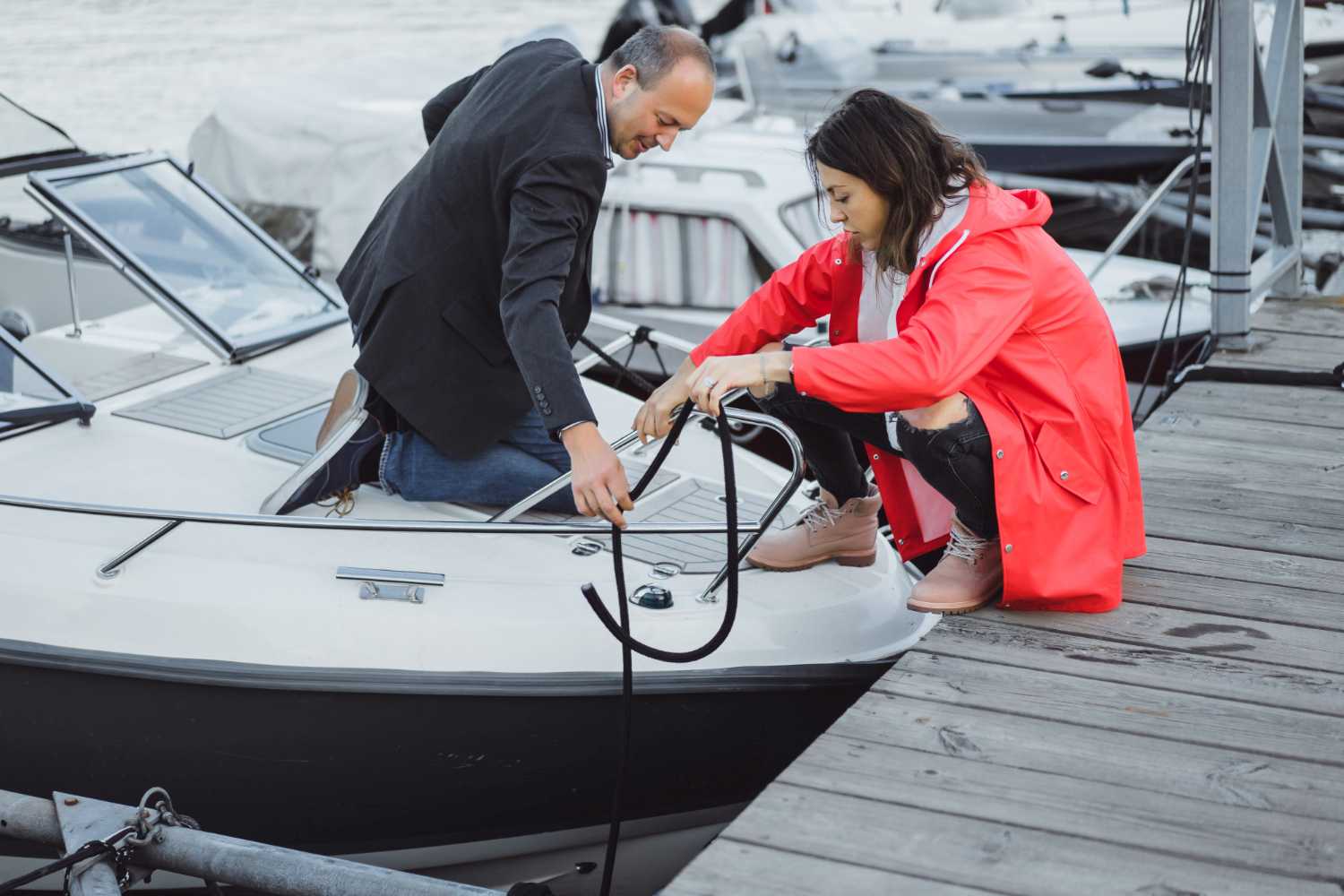
As boating season comes to an end, many boat owners begin preparing their vessels for winter storage. Whether you keep your boat in a private garage, at a marina or in an outdoor storage facility, protecting it during the off-season is just as important as maintaining it during regular use. While winterizing and securing your boat are essential steps, reviewing your watercraft insurance is equally important. Overlooking a few policy details could leave you facing unexpected expenses if your boat is damaged, stolen or vandalized while in storage.
One common mistake boat owners make is cancelling their insurance because the vessel will not be used during winter. However, storage does not eliminate risks. Your boat could still experience theft, vandalism, fire, falling tree damage or other covered losses. Instead of cancelling your policy, speak with your insurer about whether seasonal coverage adjustments are available while maintaining appropriate protection during storage.
Not every watercraft insurance policy provides the same protection when a boat is stored. Some policies may have specific requirements regarding storage locations, security measures or winter lay-up periods. Review your policy to understand whether coverage continues while your boat is stored at home, in a marina or at a commercial facility. Confirm any applicable restrictions before moving your vessel.
Snow, ice, freezing temperatures and severe storms can cause significant damage to boats. Frozen plumbing systems, damaged covers and accumulated snow can lead to expensive repairs. Although certain weather-related losses may be covered under comprehensive watercraft insurance, coverage depends on your policy terms and exclusions. Proper winterization, suitable storage and regular inspections can help reduce the risk of damage.
Your boat may contain valuable equipment, including navigation systems, fishing gear, electronics, safety equipment and personal belongings. However, these items may have separate coverage limits or exclusions under your watercraft policy. Before storing your boat, review how personal property and permanently installed equipment are covered. Consider removing portable valuables and keeping an updated inventory with photographs and purchase records.
Where and how you store your boat can influence your insurance protection. Some insurers may require specific security measures or approved storage arrangements. Lock storage compartments, secure the trailer, use appropriate covers and choose a facility with suitable security features. If you plan to change storage locations, check whether your insurer needs to be informed to ensure your policy details remain accurate.
Winter is a useful time to review your watercraft insurance and identify any coverage gaps. Check your liability limits, physical damage protection, deductibles and coverage for accessories. If you have upgraded your boat, installed new equipment or changed its value, make sure your insurer has the updated information. Reviewing these details before the next boating season can help you avoid last-minute surprises.
Winter storage does not mean your boat is free from risks. Maintaining suitable insurance, following storage requirements and preparing your vessel for colder weather can help protect your investment throughout the off-season. Before putting your boat away, speak with your insurance provider to understand your coverage and make any necessary adjustments.
Kindly fill out the form below, and we will get back to you as soon as possible.